
Insulating windows are much more than simple design elements – they play a crucial role in maintaining constant thermal comfort in your home and reducing energy costs. At the heart of this performance system is argon, an inert gas inserted between the sheets of glass, which helps provide superior thermal insulation. But as time passes, some of this argon can be lost annually—a loss that, even if it seems small (eg 1%), can significantly affect the efficiency of the glass and long-term thermal comfort. Therefore, understanding the role of argon and how to manage this loss is essential to a sustainable investment in the comfort of your home.
What is argon and why is it used in insulating glass?
Argon is an inert, colorless, odorless and non-toxic gas that occurs naturally in the atmosphere. In insulating glass, argon is inserted between two or three sheets of glass to reduce heat transfer.
Being about 34% denser than air, argon slows down the natural circulation of molecules and thus reduces heat loss through radiation and convection. The result is a more thermally efficient glass that keeps heat inside in winter and keeps heat out in summer.
What is annual loss and how is it measured?
Over time, any insulating glass can lose a small part of the gas with which it was filled, including argon. This phenomenon is known as annual gas loss, and the value of 0.4% per year, provided by Valras, is considered a high quality standard in the industry.
This loss is measured under controlled conditions and is influenced by:
- the quality of the glass sealing (butyl sealing),
- accuracy of the gas filling process,
- the type of spacer used (bent is of much higher quality than the one with corners),
- climatic conditions and pressure differences.
For an insulating glass with an estimated lifespan of 20-25 years, a loss of 0.4% per year means that it will retain the concentration of argon required to perform its function throughout the period of use, ensuring the promised thermal performance.
How does it affect thermal comfort and energy bills?
Gas losses gradually affect the heat transfer coefficient (Ug) value of the glass. As the argon is lost and replaced by air (which has a higher thermal conductivity), the efficiency of the glass decreases.
The practical consequences:
- greater heat loss in winter,
- increase in energy consumption for heating or air conditioning,
- feeling of discomfort near windows,
- more frequent condensation on the windows.
A glass with reduced argon loss retains its insulating properties for longer, actively contributing to lower energy bills and a more comfortable indoor environment.
Valras technologies to reduce gas loss
At Valras, we take every step of the insulating glass manufacturing process very seriously. To reduce argon losses, we use:
- Automatic gas filling systems with digital concentration control;
- High-performance sealants, resistant to moisture, temperature and UV rays;
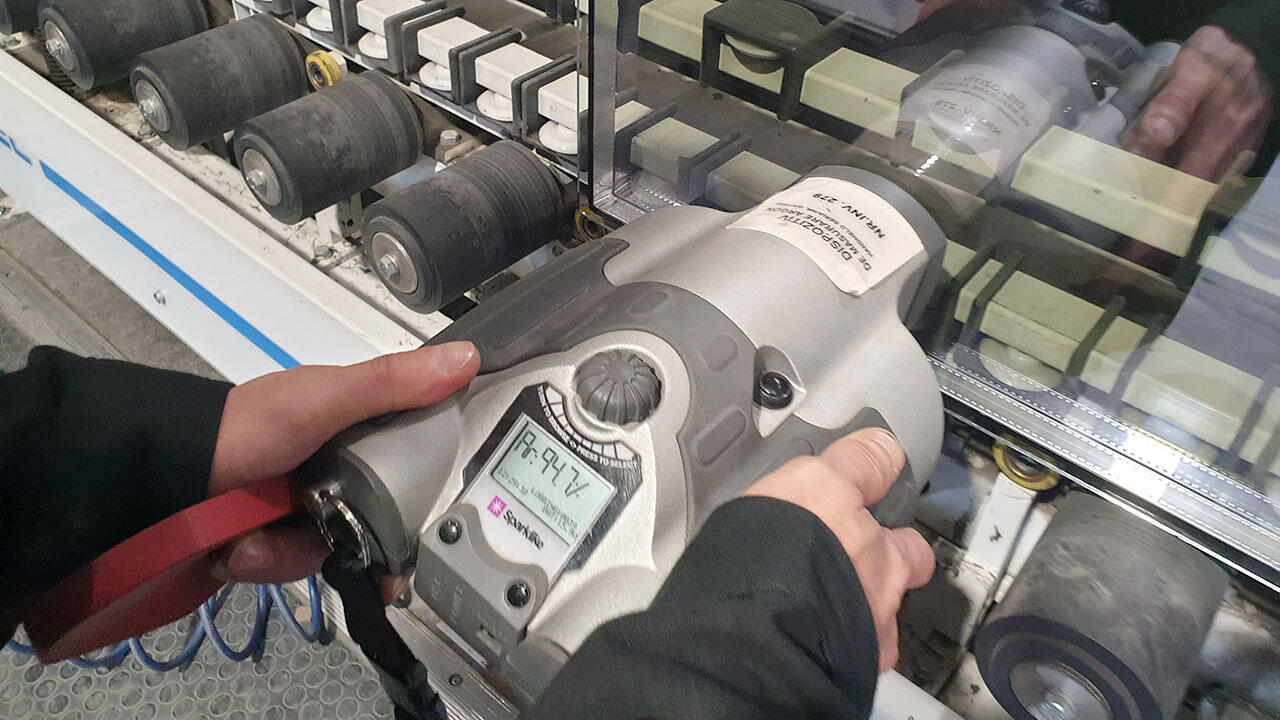
- Testing daily of the argon filling rate, according to the EN 1279-3 standard.
Thus, at Valras, the insulating windows have an argon filling of at least 90%, ensuring superior thermal performance and increased durability.
What to ask for when buying an argon insulating glass
To reap all the long-term benefits, here's what to look for:
- Filling with argon (ideal: >90%);
- Specifying an annual loss ≤1% (ideally ≤0.5%);
- Quality sealants and continuity of perimeter butyl sealing;
- Manufacturer certified according to the EN 1279-3 standard;
- Clear guarantee for maintaining thermal insulation properties.
Quality argon insulating glass is more than just glass. It means economy, comfort and durability. And the difference is made by every technical detail – including that 0.4% which, over time, matters enormously.
At Valras, we ensure that every insulating glass produced meets the strictest gas loss standards, so that you can enjoy an energy-efficient space, year after year.